
Yoga & Wilderness Awareness Belong Together
Modern outdoor recreation often emphasizes physical challenge and technical skills, but personal awareness, calm decision-making, and injury prevention are just as important for safe travel in the wilderness.
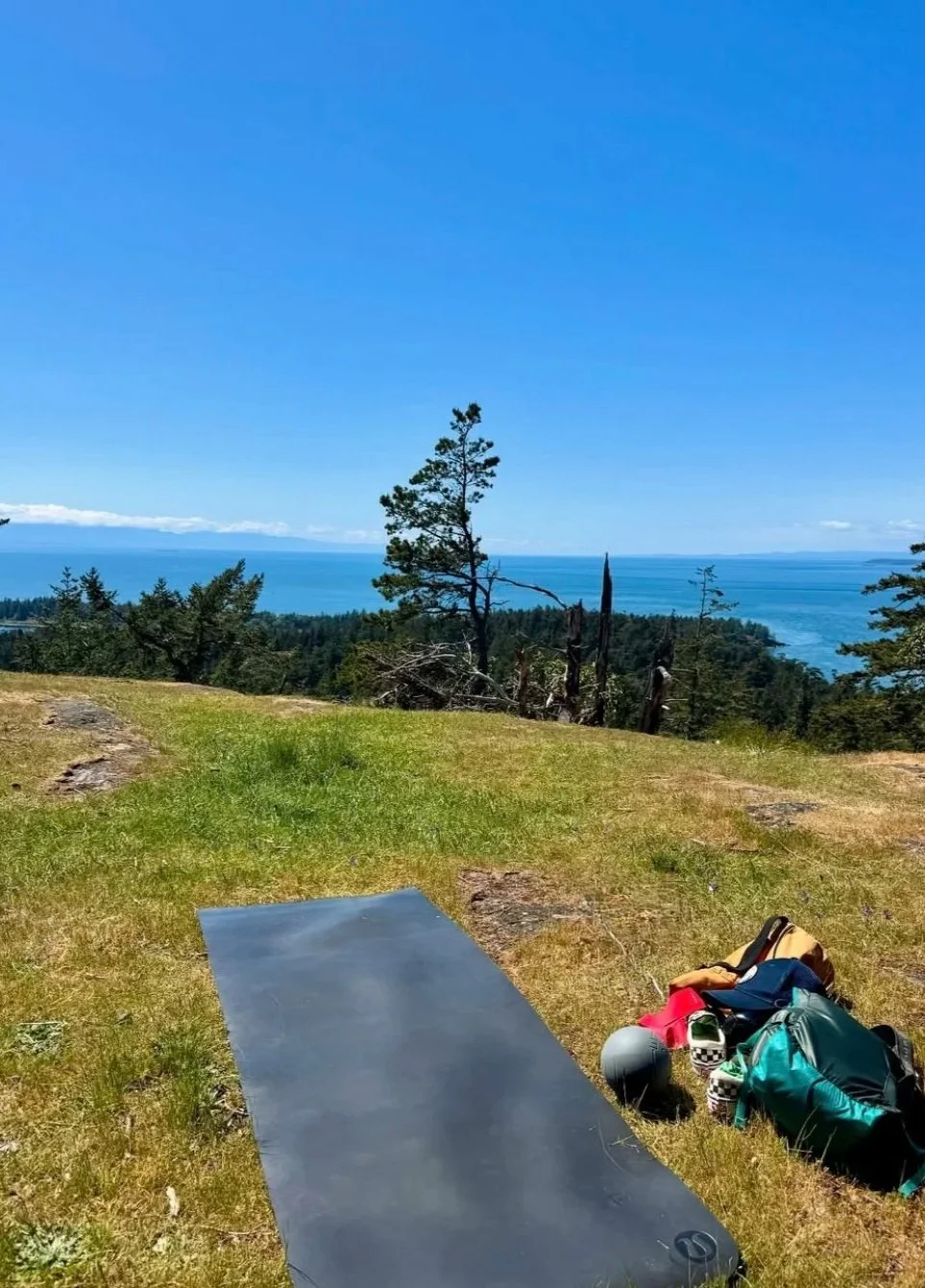
Yoga develops balance, mobility, breath control, and mental focus— qualities that directly translate to safer movement on uneven terrain and clearer thinking under stress. Wilderness safety training provides the practical knowledge needed to navigate risks such as weather changes, injuries, and backcountry decision-making.
Integrating yoga with wilderness safety training builds a more complete skill set for outdoor environments.
Body awareness improves injury prevention. Yoga increases flexibility, balance, and stability, which helps reduce common hiking injuries such as rolled ankles, knee strain, and back fatigue.
Breath control supports calm decision-making. Controlled breathing techniques used in yoga can help regulate stress during unexpected situations in the backcountry.
Mindfulness sharpens situational awareness. Practicing awareness through movement and breath makes it easier to notice environmental hazards, fatigue, or early signs of dehydration.
Recovery and resilience. Yoga-based mobility and stretching help guests recover from long hikes and maintain energy throughout multi-day trips.
Practical safety skills. Wilderness instruction provides the technical knowledge—navigation, emergency response, and risk assessment—that ensures guests can apply physical readiness in real-world situations.
WMC Retreats are For YOU!
Outdoor Enthusiasts
People who enjoy camping, backpacking, or exploring nature will deepen both their physical resilience & safety knowledge, making future trips more enjoyable and less stressful.
Yoga Practitioners
Yoga practitioners gain the opportunity to apply breathwork and mindfulness in a natural environment while learning practical outdoor skills that expand where and how they can safely practice.
Hikers
Hikers benefit from improved mobility, joint stability, and recovery techniques that help prevent common trail injuries. Wilderness safety instruction also builds confidence in route planning, hazard awareness, and responding to unexpected conditions.
Beginners to the Outdoors
Those who want to spend more time outside but lack formal training gain foundational wilderness knowledge along with physical preparation that makes outdoor activity more approachable.
Wellness-Focused Individuals
Guests interested in holistic health experience a program that connects movement, breath, and nature with real-world skills for confident outdoor travel.
Strengthening your internal & external preparedness results in a more capable, confident, and grounded outdoor experience.
Internal skills: balance, breath control, mindfulness, physical resilience
External skills: wilderness awareness, safety fundamentals, and practical outdoor knowledge
This combined approach creates outdoor guests who are stronger, more aware, and better prepared to make sound decisions in nature.